
In U.S. English, “attorney” and “lawyer” usually mean the same thing: a legal professional authorized to practice law. The idea that a lawyer only gives advice while an attorney appears in court is too simplistic. Both may advise clients, prepare legal documents, negotiate, and represent people, depending on their license and role.
The American Bar Association lists the terms as commonly interchangeable.
Quick Answer:
Use lawyer as the common, everyday term and attorney in formal or legal contexts. Neither title automatically tells you someone’s specialty, experience, or courtroom role. Licensing rules depend on the jurisdiction.
Attorney vs. Lawyer: What’s the Difference?
| Term | Typical use |
| Lawyer | Broad, familiar term for a legal professional |
| Attorney | Common formal term, often used interchangeably with lawyer |
In the United States, the terms usually overlap. A lawyer may work as a litigator, legal adviser, negotiator, government attorney, or in-house counsel; not every lawyer spends time in court. A law degree alone does not necessarily authorize someone to practice. Most jurisdictions have separate admission and licensing requirements, so check the relevant state bar when hiring legal help. See the American Bar Association’s guide to bar admission.
Related Legal Terms You May See
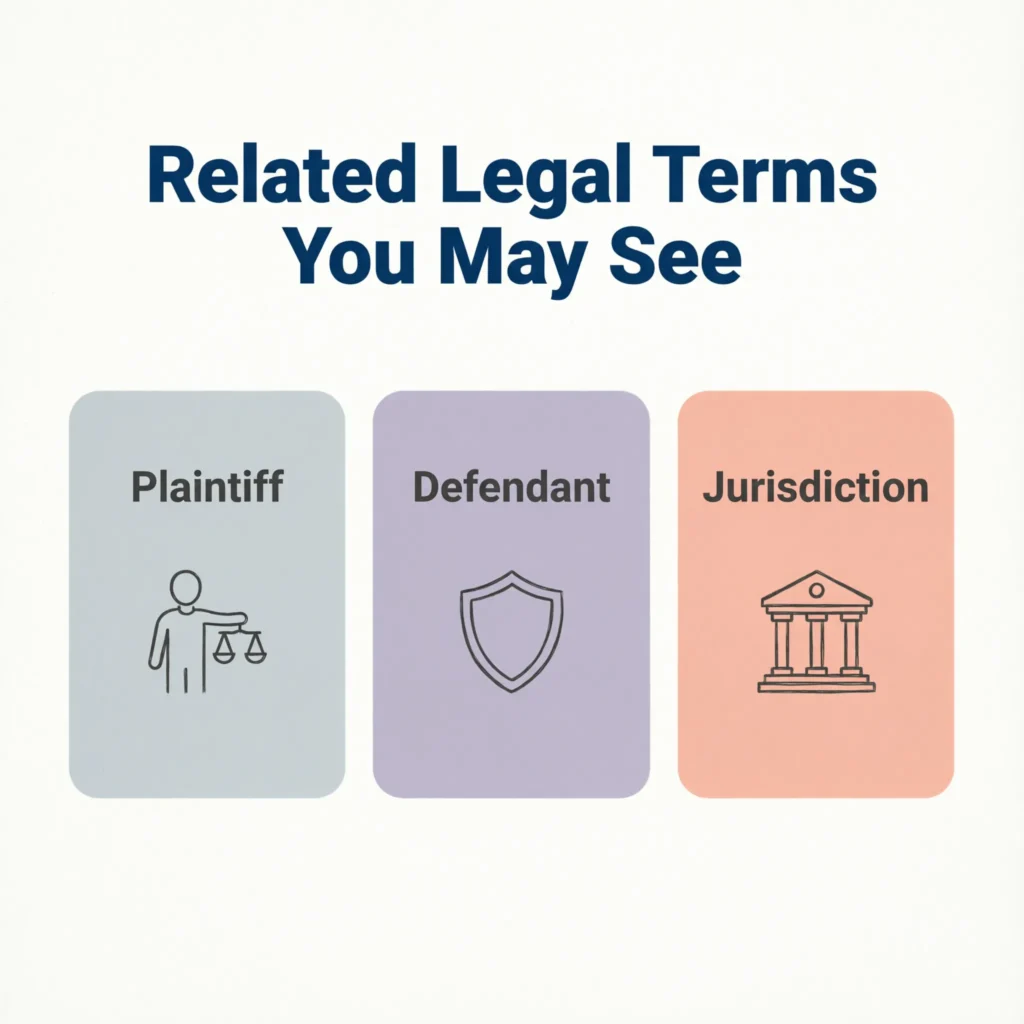
- Counsel: A lawyer who advises or represents a client. “Of counsel” can also describe a lawyer’s particular relationship with a law firm.
- Solicitor and barrister: In England and some other legal systems, solicitors commonly advise clients and handle documents, while barristers often specialize in courtroom advocacy. Exact roles vary by jurisdiction. See Cornell’s guides to solicitors and barristers.
- Advocate: A broad word for someone who supports or represents another person’s interests; its formal legal meaning varies by country.
- Esq. vs. J.D.: “Esq.” (Esquire) is a courtesy title commonly placed after a U.S. lawyer’s name. “J.D.” (Juris Doctor) is an academic degree. A degree by itself is not proof of an active law license. See Cornell’s Esquire definition and J.D. guide.
- Attorney-in-fact: Someone authorized under a power of attorney to act for another person, such as managing specified finances. This person does not have to be a lawyer. See Cornell Law School’s definition.
FAQs
Are an attorney and a lawyer the same?
Usually, yes, in U.S. English. The terms generally refer to the same type of legal professional.
Is an attorney more qualified than a lawyer?
No. The words do not establish rank. Check licensing status, relevant experience, and the person’s ability to handle your type of case.
Is a J.D. the same as Esq.?
No. A J.D. is a degree; Esq. is a courtesy title often used for a lawyer. Neither wording alone confirms current authorization to practice.
Conclusion
In everyday U.S. usage, attorney and lawyer are usually interchangeable. For legal help, focus on the professional’s license and relevant experience not just the title.
Related Articles
- Optometrist vs. Ophthalmologist: Differences and Which to See
- Metric vs. Imperial: Differences, Examples & Conversions
- Donor’s Cost or Adjusted Basis: What Should You Report?

Mignon Fogarty is an experienced English grammar and writing expert specializing in grammar, word usage, and clear American English. At EduNexxt, her focus is making grammar simple, accurate, and practical.
 Bryan Garne
 William Strunk